Sunday, May 15, 2016

Creative Logo Design.


Fast Growing seller on fiverr.com

We will design clean and MODERN logo for your company/website/product.

For $5 you will get:

High Quality logo design
PNG,JPEG files
Creative Design
Unlimited revision
Customer friendly seller

NOTE:  Look into my profile for my work Example and other services.

All order will be delivered before next 24 hours.

Thanks

Visit -

Professional Wordpress Development.


We Will make a very responsive wordpress website for you. Any type of creation on wordpress according to your need.

add and set up plugins.
edit theme ,template , blog etc.
add new pages and content.
add images,sliders,video and picture gallery.
edit any wordpress theme issues.
add social media and banners.
manage the website as a "Demo" website.

We are able to set up and add the  premium plugin and themes, Whatever theme you are using, twenty eleven, twenty ten or any,I can help you to modify and customize your wordpress theme according to your requirements.


NB: If you have to need fix any error or bug in your existing WordPress website, please check it my other bug fixing gig, which is specially for this job.

Thank You

Thursday, March 24, 2016

8 secrets for even more iPhone productivity.


These hidden techniques for Mail, Calendar, Contacts, and Notes also work on the iPad
If you rely on your iPhone or iPad for productivity, you know Apple's apps handle a lot of useful tasks, such as figuring out travel time to an appointment or checking co-workers' availability when setting up meetings. (If you didn't know them, check out my survey of iOS's productivity enhancements and my comparison of Microsoft's Outlook clients to Apple's.)

But some useful capabilities are not available in Apple's iOS apps -- or maybe they are, but hidden from you. In fact, there are a bunch of features you likely use on your computer's productivity tools that you wish iOS would also support. Here are eight that actually exist, though they're hidden.

1. Mail: Find unread and flagged emails

Apple's Mail app highlights unread messages with a blue circle and flagged messages with a flag icon. But there's no way to filter for only those emails. Except there is: The trick is to type "unread" or "flagged" in the Search field, then tap the option that appears to filter by type. (To get the Search field, scroll to the top of a message list, above the first message.)

2. Mail: Quickly jump to a mailbox

A related trick: You can type in the name of a mailbox (Trash, Sent, or Junk) in the Search field and jump to it. The mailbox names will appear below any messages that use that term.

3. Mail: Search within a thread

If you tap an email in a thread (look for » to the right of the time stamp) to open a list of that thread's contents, the Search field becomes Search Thread field, restricting the search to that thread.

4. Calendar: See your whole day within an invite

When you accept an invitation or open one you previously received, Calendar highlights the event in the context of the surrounding few hours. Tap that snapshot and it will expand to show your full day, a handy view in case you need to suggest a different time or know when you still have time to do work outside your meetings.

5. Calendar: See all accepted invitations

Most people know that the Inbox in Calendar shows pending invitations; in fact, you'll see a number of pending invites (including previously accepted invitations with changed times) next to the Inbox label. But tapping Inbox shows you not only your pending invites but also, if you tap Replied, those you've previously accepted -- in one very handy list.

Unfortunately, they're not listed in the order of occurrence but grouped by who sent the invitation.

6. Calendar: Schedule a conference room

One of Outlook's signature features is the ability to book a conference room for a meeting. There's no such feature in Calendar, but you can still book a conference room: Simply enter the room's name as an invitee; the Exchange server will book the room for you.

Also, you can see if the Exchange-managed conference room is free the same way you can check the status of any invitee.

7. Contacts: Merge duplicates

If you connect to several accounts such as Exchange, email, and iCloud, you'll likely have multiple entries for some people or for conference rooms. Contacts lets you link these multiple entries, so their information appears merged and your contacts list shows only one entry. I say "appears merged" because the data still resides across the various accounts, not copied across them or combined into a single account, but at least you get a unified view of all the accounts' information.

To link entries, tap one to open it, tap Edit, scroll all the way to the bottom, tap Link Contacts, tap the duplicate from your contacts list to merge, and tap Done. You can link multiple contacts, not only two; if you have more duplicates for the contact, keep linking them until they're all linked.

8. Notes: Password-protect notes

The ability to lock notes is new to iOS 9.3, which was released yesterday as a free update. But it's not at all obvious that the feature exists after you have installed iOS 9.3, much less how to use it.

First, you have to set the password to unlock the notes, which you do in the Settings app. Tap Notes, then tap Password to set the password that will unlock your notes. (You can also enable Touch ID to unlock them via your fingerprint, if you have a Touch ID-compatible iPhone or iPad.)

To password-protect a note in Notes, open the note, then tap the Share button. In the bottom row of options, you'll see a new one: Lock Note. You'll need to enter the Notes password or use Touch ID to actually protect the note. (Oddly, on an iPad you can't use Touch ID for the initial locking.) Once the note is locked, a lock icon appears at the upper right of the note; tap it, then Unlock Note to reveal the note's contents -- after you enter the password or use Touch ID, that is. The note stays unlocked until you lock it again, which you can do by tapping the lock icon.

Once an individual note has been locked, the lock icon lets you toggle between locking and unlocking that note. You need to use the Share button only the first time to lock a particular note. And you need to use the Share button to remove the lock completely from a note -- you'll see Remove Lock in its menu after tapping the Share button from within a note that has been previously locked.

Source From - HSBLCO Solution || Software Development

Famous dodges Apple iTunes ban with web app.


The Famous app got itself banned from Apple’s App Store about a month ago. They sidestepped the ban by promptly launching an Android version instead, and is today back on an iOS device near you in the form of a web app.

The App Store ban wasn’t the first brush the company had with disaster. Before its renaissance as Famous, the game was known as Stolen, and under that particular name, the company landed itself in a colossal cyclone of crap. The company shut down the app when it became clear that you could buy and comment on profiles of people who hadn’t consented to being used in such a manner, making it a high-risk zone for abuse, harassment and bullying.

“We need to have an around-the-clock moderation team monitoring our chat, monitoring our nicknaming, monitoring our wall posts,” the Stolen team said at the time, just before shutting the service down.

The Famous interface, in which your correspondent is the world’s biggest fan of Twitter. Which is true on several levels.

For the new version, the company recycled much of the game mechanics, minus the commenting and chat functionality that made it prime bullying real estate, and re-launched as Famous, with a bit of help from game developer Zoe Quinn.

In its new incarnation, Famous is a fantastically addictive game that involves a surprising amount of strategy. As long as the company manages to keep the platform clean and free of spam and abuse, it’ll hopefully continue going strong. The web app is very well done, but who knows? Perhaps Apple will eventually change its mind about having banned Famous.

Source From - HSBLCO Solution || Web Development

Wednesday, March 23, 2016

Apple introduces the iPhone SE.


If you’ve been hankering for a new iPhone that has all the power of the latest generations but fits in your hand like the old models, today is a good day for you.

Apple has just unveiled the long-awaited iPhone SE.

Design

The phone has a 4-inch display and the same general dimensions as the iPhone 5s. In fact, the iPhone SE looks almost identical in design to the iPhone 5s, including the chamfered, sharper edges of the device. The only difference is that those edges will be finished in matte, unlike the iPhone 5s.

The phone will come in space grey, silver, gold and rose gold.

That said, the iPhone SE has very different innards than the iPhone 5s.

Tech Specs

The new, smaller model will include an NFC chip for Apple Pay, alongside the much-faster A9 processor and M9 motion co-processor. This means that the phone will see speeds similar to the iPhone 6s, and will also be equipped with always-on “Hey Siri” functionality.

Apple also said that it has been able to reach LTE speeds that are 50 percent faster than previous generations.


Camera

The camera will also see upgrades, with a 12-megapixel sensor and the ability to capture 4K video. This is the same camera you’ve seen on the iPhone 6s and 6s Plus.

With that camera comes the ability to capture and view Live Photos, Apple’s GIF-style feature that captures a couple seconds of video before and after the picture is taken to result in a moving, video-like final product.

Rumors suggested that the new iPhone wouldn’t have the front-facing flash capability we’ve seen on the iPhone 6s. That, however, is incorrect. Apple has included that same LED functionality in the SE, meaning you can take selfies in the right lighting conditions with the smaller model.


No 3D Touch

Sources told 9to5Mac that the reason behind this is that the front-facing flash requires the new display tech we’ve seen on the iPhone 6s, which brings us to 3D touch.

The flagship feature on the iPhone 6s and iPhone 6s Plus, which offers deeper interaction with various applications on the iPhone through hard taps and long taps, will not be present on the iPhone SE.

Software

iOS 9.2 comes out today, and will ship with the little iPhone SE. It includes Night Mode, which changes the coloring and brightness of the display to better suit your eyes in the evening/night and early in the morning. It will also include password-protected (TouchID) Notes, app suggestions in Health and more customized News.

CarPlay has also gotten integration from many more carmakers.

Pricing and Availability

The iPhone SE will come in two models, 16GB and 64GB, priced at $399 and $499, respectively. If you’re using the iPhone Upgrade program, pricing starts at $17/month.

You can pick up the new iPhone starting March 31, and it will hit 100 countries by May.

Source From - HSBLCO Solution || User Experience Design

Sunday, March 13, 2016

Four months with the iPad Pro: The best tablet I've ever used.

Now that I've used the iPad Pro for a few months it's time to revisit and see how it's working out for me. In a word: fabulously.

                                                                 iPad Pro

I picked up the iPad Pro late last year the first day it was available. Even knowing it was quite large, I was still impressed by its size when I picked it up. I also own an iPad Air 2 and an iPad mini 3, so I've experienced the size range of the iPad product line.

I have grown used to the giant iPad over the past few months. I've come to feel that the size of it is one of its greatest strengths when it comes to using it daily. The big display sets it apart from other tablets, including smaller iPads.

USING THE GIANT IPAD
What has surprised me about the iPad Pro is how much I now use it as a tablet without a physical keyboard. This is where the big screen really comes into play. I can see so much on the display at once, even after scaling the text up so I can see it clearly.

The iPad Pro is heavy at 1.59 pounds (LTE model), but I find myself using it in hand for hours at a time. That is largely due to using it in split-screen mode. I can run two apps at once and put them side-by-side and still see the content. This has resulted in my using it in landscape almost exclusively in tablet mode, something I've rarely done with smaller iPads.

USING THE LAPTOP REPLACEMENT
The iPad Pro in a keyboard case has become my daily work system. I use it almost exclusively in large part due to the sheer size of the thing. Keyboards that fit the iPad Pro are without compromise, and they are as good as those on any laptop.

I already own three keyboards and the last I bought has had an impact on using the iPad Pro. The ZAGG Slim Book makes it easy to lift the tablet off the keyboard dock, and it is a big reason why I use the iPad Pro as a tablet so much.

I admit the iPad Pro in a keyboard case is very heavy in the gear bag. It can get to be a drag at the end of a long day hauling it around. It's a testament to how good it is to use as my main system that I put up with the weight.

NOT JUST THE SIZE
More than the big screen and a laptop-quality keyboard, the speed of the iPad Pro is the biggest factor in why I like it so much. The performance is outstanding, with everything I do happening instantly. That's the case with opening apps and updating lots of information. The iPad Pro really pops things on the screen and I never have to wait for apps to respond.

STILL THE BEST IPAD
All of these criteria make the iPad Pro the best tablet I've used to date. The big display, nice keyboard, and performance of the iPad Pro make it the iPad without equal for me. I am using it all day every day as a result and find it to be a system without compromise.

Source From - HSBLCO Solution

Top Android news of the week: Chrome 49, bigger Marshmallow, Android N.

This week in the world of Android we saw the release of Android N, heard that Marshmallow use is growing, and we got a new version of Chrome.


MARSHMALLOW ADOPTION GAINING GROUND
The latest Android distribution numbers are out and they show that Marshmallow use is growing. It's only at 2.3 percent but that's a jump over last month's 1.2 percent in use. This is very low, especially considering Android N was released to developers this week

Source: Android and Me


ANDROID N PREVIEW HITS DEVELOPERS' HANDS

Google released the first preview version of Android N to developers this week. It shows better notifications and customization, among a lot of other improvements over Marshmallow. You must be a developer to download Android N, but without verification of that anyone can claim to be one and get it.

Source: Ars Tecnica


CHROME FOR ANDROID UPDATED TO VERSION 49

Google released Chrome 49 for Android this week with a lot of improvements. Chief among them is a performance boost to background syncing and JavaScript. This update to Chrome brings the Android browser up to the level of Chrome on iOS.

Source: Android Beat

More HTC 10 pics leaked

It's not certain when HTC will release its next flagship phone but more photos have leaked on Twitter so the company better hurry up. Rumors indicate the HTC 10 will have a 5.2-inch display.

Source: Android Community

Source From - HSBLCO Solution

Friday, March 11, 2016

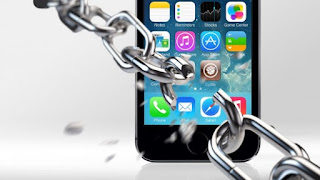
Jailbreak Guideline.


Simply looking for a safe and trusted Jailbreak provider? Jump straight to Unlockscodes.com

What is Jailbreaking?

Jailbreaking is the process of removing the restrictions that Apple has placed on its devices, such as the iPhone, iPad and iPod. Once a device has been Jailbroken, it's possible to download and install apps, extensions, music and themes that Apple wouldn't normally allow access to. Put simply - it provides freedom from Apple's restrictive 'walled-garden'.

In contrast to other operating systems such as Andoid, Apple keeps very tight control over the Apps allowed on its devices. If a user wants to download an App, it must be done through the iTunes store. Similarly, if a business or individual wants to create an App, then it must be checked and approved by Apple. This can often take months, or may not happen at all.


Why Jailbreak your iPhone or iPad?

The problem with Apple's approach is that their strict policy means that thousands of Apps never see the light of day, meaning users miss out on some great software. However, once you have Jailbroken your device, you will have access to thousands of these 'off-market' apps through a service called Cydia.

Another reason that people Jailbreak their device is to tweak or customise it. While Apple thinks its devices are perfect, the reality is that no phone or tablet is perfect - there is always the odd bug or designs flaw. Furthermore, one size does not always fit all and as much as people love their iDevices, sometimes they wish they behaved a little differently.

Jailbreaking will also allow you to install Apps that tweak, modify or customise certain aspects of Apple's operating system. For example Apple blocks Flash videos and animations on its devices. With a Jailbroken device though, it's possible to run Flash files with easy.


How do you Jailbreak your device?

Jailbreaking involves downloading a piece of software that opens up your operating system. There are two ways to acquire this software: one is free, but can be complex. The other costs a little, but is much safer.

If you choose the free route, then there are a number of sites available, although we would prefer not to recommend one in case it causes problems. Try Googling "free Jailbreaking" or something similar. We suggest you use these at your own risk however. You will also need to be patient, careful and read any instructions carefully. Make sure you are 100% sure the site is reliable and that the software you are downloading is the correct software and the correct version number for your device. It is quite easy to damage your phone, so be warned.

If you would rather play it safe, save yourself time (and stress) and get professional support throughout the process, then we recommend you spend a little money and get it done properly.

While researching a good Jailbreaking website, we really struggled to come up with more than one that was reputable. Ordinarily we would recommend three, then list the pros and cons of each site. However, almost every site we saw was a straight-out scam, provided vague instructions, contained a dodgy-looking payment system, or was overly-salsey; a good indication of an unsafe site.

The only one site we found which ticked all of our boxes was: Unlockscodes.com


Why choose Unlockscodes.com?

There are a number of good reasons to use them. Here is a quick list:
Their service works on all iPhones, iPads and iPods
No technical knowledge is needed
Their customer support is the best we have come across
They guarantee to Jailbreak or unlock your device, or give you your money back
They have successfully helped thousands of Apple owners
Their payment system is trustworthy. Either pay by PayPal, debit card or credit card
Their website is not salesy and doesn't try to trick you into a purchase
They also provide Unlocking. See our Unlocking Guide for further information
Their prices are very competitive


What are the steps involved?

The service works in three simple steps:
1) Purchase and download the trusted software
2) Install the software – they provide easy, visual instructions
3) Start using your Jailbroken or Unlocked device

The whole process takes just a few minutes.

After that, their customer service department is available to answer any questions, and as mentioned above, they will return your money if you are not happy with their service.

If you're ready to Jailbreak your iPhone or iPad, with piece of mind that you won't break it, then you can visit the Unlockscodes.org 's website now. Alternatively, if you have some further questions, we have tried to answer these for you with our Further Questions section.


Further Questions

Is Jailbreaking legal?
Yes - In 2010 the US Copyright Office made changes the copyright act and declared that Jailbreaking is perfectly legal. This has gone on to spawn an entire industry. Unfortunately most players in the market are untrustworthy, hence the reason why we only recommend the one company.


Can Jailbreaking void my warranty?
Apple's official line has always been a vague, "it can void your warranty" but the good news is that the process is easily reversible by restoring your device via iTunes. This is also important if you need to take your phone to the Apple Store for whatever reason.


What are the pros?
There are a number of benefits to Jailbreaking your device:
Gain access to thousands of themes, games, apps, tweaks and customisations that Apple normally restricts
Free video chat over a 3G connection (rather than just WiFi)
Tether your iPhone or iPad
Ability to view Flash animations and Flash websites
Watch streaming TV for free
Make VoIP calls
Video recording
If you Unlock at the same time, then you can use your iPhone on any network or using SIM card worldwide


What are the cons?
Like anything however, you should be aware of the potential problems with Jailbreaking your device:
If Apple provides an update to the operating system, you may need to Jailbreak your device again
Jailbreaking can increase the chance of getting a viruse. This however, is true of any open operating system. If you're careful, the chances of getting a virus are low. Read the reviews before you download!
Installing non-Apple-approved Apps may lead to your device becoming unstable. Again, read the reviews before you download
Jailbreaking can 'brick' your device. This is true if you go through an untrusted source. If you get the Jailbreaking done through the site recommended on this page, then you're in safe hands.


What happens after my iPhone or iPad is jailbroken?
Once your device has been Jailbroken, you will want to head over to Cydia which is like an alternative App store. Once there you will be greeted with a whole new world of Apps and downloads for your newly freed device!

Source From - HSBLCO Solution

Saturday, March 5, 2016

First impressions of the LG G5: Light metal body, unique modular design, wide-angle capture.

As part of a special T-Mobile LG G5 preview program, Matthew Miller was sent a pre-production LG G5 to try. It's a compelling phone in its own right, but one wonders what the plans are for future modules.


Last year as part of a special T-Mobile preview program, I was given a pre-production LG G4 to test out. Once again, T-Mobile and LG kicked off a preview program with the LG G5.

The LG G5 arrived yesterday, along with a 60-day prepaid T-Mobile SIM so I can continue my Microsoft March madness test with my primary SIM still in the Lumia 950 XL. I've now spent just about 24 hours with the LG G5 and have a few first impressions to offer.

I also want to know what you want me to test out so if there is something you want to know about the LG G5, please post a comment and I will remain actively engaged with readers to this post. I may also include some of the questions and answers in my full review after I receive a production unit from LG, AT&T, T-Mobile, or another source.

HARDWARE
The LG G5 that I was sent is a pre-production device so I won't give any final statements or conclusions about the fit and finish. I can share some impressions though, as listed below:

## It's much lighter than I anticipated, 159 grams. The LG G4 is 152 grams and the LG V10 is 192 grams.
## The rear power button and fingerprint scanner is vastly improved over the LG G4 and LG V10.
## There is still an IR port on top, one of the few remaining devices with this capability.
## The volume button has been moved from the back to the left side.
## The removable bottom has a better fit and finish than I anticipated.
## The microSD card and SIM card are contained in one side tray.
## The headphone jack is on top.
## The battery is part of the bottom so it seems that extra batteries will include a full bottom piece. I haven't tried removing the battery from the bottom and will find out if it is removable.
## The top of the 5.3 inch display glass curves down towards the back. It's a cool effect, but also makes me wonder about the ability to survive a drop with the glass extending so far up.

Source From - HSBLCO Solution

Thursday, March 3, 2016

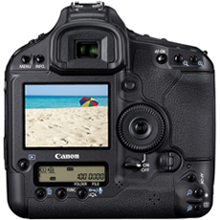
Canon EOS 1D Mark IV 16.1 MP Digital SLR Camera.


 16.1-megapixel APS-H CMOS sensor and Dual DIGIC 4 imaging processors
45-point Area AF sensor including 39 cross-type AF points with f/2.8 support
ISO 100-12,800 for shooting from bright to dim light with low noise levels.

PRODUCT DESCRIPTION

Similar to the D3, the D300 features Nikon’s exclusive EXPEED Image Processing System that is central to driving the speed and processing power needed for many of the camera’s new features. The D300 features a new 51-point autofocus system with Nikon’s 3D Focus Tracking feature and two new LiveView shooting modes that allow users to frame a photograph using the camera’s high-resolution LCD monitor. The D300 shares a similar Scene Recognition System as is found in the D3; it promises to greatly enhance the accuracy of autofocus, autoexposure, and auto white balance by recognizing the subject or scene being photographed and applying this information to the calculations for the three functions.
16.1-megapixel APS-H CMOS sensor and Dual DIGIC 4 imaging processors
45-point Area AF sensor including 39 cross-type AF points with f/2.8 support
ISO 100-12,800 for shooting from bright to dim light with low noise levels
EOS HD movie with manual exposure control and multiple frame rates; 3.0-inch Clear View II LCD monitor
Magnesium alloy body with shutter durability up to 300,000 cycles and exclusive dust-and-weather resistance
Body only, lenses sold separately; capture images to CF Card Type I and II, SD/SDHC (not included).

For more - http://www.camerastall.com/product/canon-eos-1d-mark-iv-16-1-mp-cmos-digital-slr-camera-with-3-inch-lcd-and-1080p-hd-video-body-only/

Tuesday, March 1, 2016

Mini Business Cards: The Ultimate Design Trend That Rock.

A recent statistics infographic reveals that the four most common types of business cards are: standard rectangular 4-corner, square, recycled and rounded 4-corner. Rule number one when designing a powerful and stylish business card is to make it unique. Mini business cards are a new trend that helps you attract attention to your business and effectively promote your products while helping you to stand out from the crowd.

Business cards with stylish and professional look will be less likely to be thrown into the trash since most people appreciate impressive designs. If you are interested in showcasing your brand and creating a long-lasting impression to your clients and suppliers.

A standard 2" x 3.5 " business card is just not enough these days, especially in the design world. That is why mini business cards are highly-popular among graphic designers, photographers and web designers. A creative mind, regardless of profession, will find a myriad of clever ways to reflect a company brand identity on this small piece of paper. Once you decide to go beyond traditional sizing limits, here is what you may consider to design a one-of-a-kind mini business card:

Color Reflects Brand Identity

What can be a misconception about mini-business cards? Information is lost in the small size or worse, the size is so small itís easily lost -donít worry. You can enhance other elements like color, which can play an important role in mini business cards overall layout. Sadly, most business cards are forgotten in a matter of seconds, only a few stick in the mind of potential clients and vendors -size plays a relevant role in making them memorable.

Remarkable business cards do not need to have a palette full of bright colors to stand out, unless a specific design requires it. They can simply have a splash of color like the one in the image.


Bear in mind that its a good idea to maximize contrast between text and images and against background for better legibility, if you're going for subtle and muted add something else to stand out.

Bonus tip: Choose two fonts to make them easier to read. Try to use the same font types in all your marketing materials- brochures, website, catalogs- to increase brand recognition.

Keep Them Simple and Neat

When it comes to mini business cards, the first thing to consider is that you have a smaller space for your design work, call to action and contact information - which is why you should keep it as simple as possible. You may only choose either your logo o a worthwhile picture on one side and the other with the info. Even though your space is limited, you may need to leave white space to separate all elements in your business cards. White space keeps your advertising materials from being cluttered or confusing. Do not fall into the trap that ® empty space® will be useless space.

Design Business Card Magnets

Mini size business cards are not the only attractive ones; you can design magnet business cards. They can be a highly convenient marketing tool as they are placed in a single place and whenever the business card is needed, it will be surely found. Customers wonít have to waste time and effort looking for a business card received a long time ago.

If you want to learn more information about custom magnets for advertising or personal purposes, visit our online printing provider - the same guys from before. They have a large catalog and provide impressive results.

Lastly, if you are the kind of person that is constantly looking to stand out from the crowd, design mini business cards or business card magnets. Consider the handy strategies mentioned above not only to promote your business but also to impress clients and suppliers.

Was this article helpful? What else would you keep in mind when designing mini business cards? We appreciate you tell us your experiences in your comments below.

Source From - HSBLCO Solution

Thursday, February 25, 2016

AutoCAD malware: Rare but malignant.

There's no better way for thieves to steal design secrets than straight from the engineers and designers who create them. CAD software programs are ripe for exploit.

With all the recent industrial espionage, it was only a matter of time before malware developers would take a look at Computer-Aided Design (CAD) programs as a way to exfiltrate proprietary documents and drawings from engineering firms. I can't think of a better way to steal design secrets than right from the engineer or designer working on them.
CAD has been around since the early 1980s, so there are many packages to choose from. Which software did the digital bad guys go after? The most popular of course—AutoCAD.

I have several clients in the manufacturing sector, and they all use AutoCAD. Working with these clients, I learned a few things about AutoCAD. For one, it is expensive. So when a company has AutoCAD in place, they tend to stay with the version they bought.

What this does is pave the way for malware coders; they have a sizable population of computers running noncurrent, and more than likely, vulnerable versions of AutoCAD.

The malware coders have something else in their favor; engineering can involve multiple departments and outside consultants—a perfect way for malware to propagate if certain precautions are not in place. And, I'm finding that precautions are not in place. That's because most IT pros consider CAD-based malware a non-issue.

ACAD/Medre.A
I tended to agree. The first time I read about an AutoCAD malware was last year when ESET.com reported a strange anomaly on their LiveGrid network. It was strange because the malware attacked AutoCAD, but only in Peru of all places.

After some investigation, it was determined the malware ACAD/Medre.A was a worm programmed to send AutoCAD drawings via email to an account (you guessed it) in China. The experts at ESET had this to say:

ACAD/Medre.A is a serious example of suspected industrial espionage. Every new design created by a victim is sent automatically to the authors of this malware. Needless to say this can cost the legitimate owner of the intellectual property a lot of money as the cybercriminals could have designs before they even go into production by the original designer.
Something else that ESET pointed out bothered one of my clients when I told them about ACAD/Medre.A: "The attacker may even go so far as to get patents on the product before the inventor has registered it at the patent office. The inventor may not know of the security breach until his patent claim is denied due to prior art."

This particular client was applying for several patents at the time and under my advisement took several additional precautions. Yet, everyone's concern (even the client) eventually faded, as CAD-related malware never amounted to anything. That is until a few weeks ago.

ACM_SHENZ.A
That's when a new trojan popped up on Trend Micro's radar—ACM_SHENZ.A, and it was targeting AutoCAD programs. But with a twist, the malware was benign. Like most trojans, its job was to gain a foothold on the victim's computer.

Once safely entrenched, ACM_SHENZ.A obtains administrative rights which make it simple for the malware to create network shares for all drives. The malware also opens ports: 137, 138, 139, and 445. Doing so allows access to files, printers, and serial ports.

Obtaining administrative rights also allows the attacker to plant additional malware. It's this additional malware, experts at Trend Micro suspect will be used to steal drawings and engineering documents. What makes this malware especially deadly is that more than likely users will not consider a file with the .FAS extension unusual and just ignore it. According to Trend Micro, "It appears to be a legitimate AutoCAD component with a .FAS extension, but on analysis it actually opens up systems to exploits, specifically those targeting old vulnerabilities."

Trend Micro engineers mirrored ESET experts' sentiment that "being rare" is an advantage afforded AutoCAD malware: "Historically, AutoCAD malware is very rare, although not completely unheard of."

Final thoughts

AutoCAD malware is still scarce, and it may seem like I'm making a big deal out of nothing. But, it is a big deal to companies that pump time and money into a design, only to have it stolen and patented by someone else.

I asked the experts what we should be expecting and what additional protection manufacturing companies can put in place. The responses were, "It's early, we are not sure what the secondary malware payload is." Their suggestion was to exercise additional security with sensitive drawings.

More than anything, engineering departments need to be aware that CAD drawings are now a valid attack vector.

Source From - HSBLCO Solution

Tuesday, February 23, 2016

How to usability test your site for free.


Usability testing is sometimes one of those things that designers conveniently ‘forget’ about. Why? Well do a search for it. Usability testing, as it is generally practiced, costs money. There are interviews to perform, a variety of tests to create for each and every project, services to pay for… and what if your client’s in another country? Or what if they’re a small business with a small budget, or a brand-new startup? What if the only reason you learned web design in the first place was to build your own site? Check your wallet. Can you pay for classic usability testing?

THIS, IS USABILITY TESTING FOR THE REST OF US

It’s not uncommon for advice written about usability testing to assume that you’re working on a “big project” for a client that can afford the fancy stuff. Even the articles that talk about testing on a budget will often refer you to paid services. Simply put, there are times when any kind of paid service, on top of every other expense, is not an option. This, is usability testing for the rest of us…

START WITH FRIENDS

Get 5 or 6 random people to sit in front of a computer, look at your site and ask them to complete a series of tasks while talking about them.

Well, that‘s where you‘d start. I‘d add a few extra recommendations:
Grab the least-technically savvy people you know. You know, the ones who feel uncomfortable with a mouse. The ones who beg you for help every time they see a dialog box asking them if they want to save their file. If they can use your site, you’re set.

If possible, test on mobile devices too. Don’t test the same user on one platform, then another. They’ll have had time to get used to your site’s basic structure. Get different users to test your site on different devices.
Remember that observing a phenomenon can alter the outcome. In this case, people who know they’re being watched as they interact with a site may behave differently than they would normally. But hey, slightly skewed data is better than no data at all.

GET YOUR ROLE-PLAY ON

No robes and wizard hats here, unless you feel like it (actually, I do want a wizard hat) but you have to bring your ‘A’ game. It can be hard to see your project with fresh eyes. You built it. You know it inside and out. How do you pretend not to know it? It’s not enough to say, “Okay, I’m just going to get into character as Joe Averagedude and we’ll do this thing!” That’s not how it works. Even if you’re really good at playing pretend, you’re still you. My advice? Adopt a persona and change the browsing conditions. Try speed-browsing your site out in the sunlight on your phone. Grab a free screen reader, put on a blindfold, and try to reach your own calls to action as a blind person might. Lazily scroll through your site on a tablet in your living room, with the TV blaring. Use an older browser, on desktop or mobile, as a worst case scenario. Just try to simulate the conditions under which different users will be browsing your site. You might have to leave your office to do it. You might have to tie one hand behind your back. Whatever it takes, do it. Stop thinking like you.

LOOK FOR THE FREE TOOLS

There aren’t many. Proper user tracking and testing takes time and money, there are no two ways about that. Two companies, however, are offering quite a bit of good stuff for free. Well, that’s free as in ‘Google gets more information about you and your website’s users’, and ‘Optimizely gets a chance to upsell you on its pro plan’. If you can live with that, read on. Now when I say “Google”, I am of course talking about Google Analytics. If nothing else, you can set up ‘goals’ for your website’s users. That is, you can define specific actions you’d like them to take — clicking a link, filling out a form — and the analytics platform will keep track of just how many of your users are taking that action. It won’t tell you much really, but it can help to identify the existence of any major issues. There’s more that the platform can do, of course, but that should get you started. Optimizely is a different beast. It comes with a lot of free tools designed to not only collect data, but give it as much context as possible. The free plan has its limits, but it will be more than enough to start you on your way. As a bonus, it integrates with Google Analytics. All other free services that I’ve found so far are so limited as to be almost unusable in the long term. Well, there’s Five Second Test, but all that gets you is usability tests performed on fellow designers. The better ones might be able to spot some of your problems; but user testing is likely more effective when performed on users in your target demographic.

CONCLUSION
Free usability testing tools are not plentiful, but don’t let that stop you. All you really need are some willing friends, family, and acquaintances, and the willingness to get creative about testing your site. Don’t just check to see if it looks okay in all the browsers, test that thing ‘til it breaks, then start all over again. And don’t worry if not all of the tests go as planned. There’s always the next iteration.   Featured image, project review image via Shutterstock.

Source From - HSBLCO Solution

Monday, February 22, 2016

The Best Graphic Design Software of 2016.


As designers and creative people have to be updated with all the technological changes that are occurring in the world.

Learn new desktop publishing and design creation every day is a requirement that large companies or agencies seeking to designers.

Knowing handle different design programs is also essential that you as a designer gives you the chance to increase your vision and design techniques.

The different design tools that offer these programs allow reinvent the designs, created from scratch, and that results in something not imagined or better than planned.

The digital magazine web designer depot, conducted a study through twitter, to know what were the most used design programs by the public. Among the final results are completely free programs and other high-priced but easy to get.

Here are the 7 most popular programs, do you think that makes any missing? Your what use ?:

7. Illustrator
With a total of 46,136 users, this program is one which must be based on knowledge of a designer logo or vectors.

6. Google Sketshup
With 52,534 users, it is focused on creating 3D object platform. It's free

5. ACDsee Pro
It is a program that has many tools for editing photographs and 65,239 users prefer.

4. Gimp
With 93,317 votes, this application is equivalent to photoshop but free.

3. Corel Draw
It is the strongest opponent of photoshop, during its inception was the most famous and used platform. The 168,871 people still prefer.

2. Picasa
With 424,505 preferences, this platform for editing photos, is not considered one of the most professional, but the most effective and fast.

1. Photoshop
Superstar is the tool for all design programs. The term "photoshopping", and is part of the language of all the designers. 495 155 the they preferred.

Source From - HSBLCO Solution || Graphic Design

Thursday, February 18, 2016

After months of waiting, it looks like we've got a launch window for PlayStation virtual reality headset.

Virtual reality is tipped to be the next generation of gaming. It is one step closer with Sony putting the finishing touches on its PlayStation VR.

IT looks like we’ve got a launch window for PlayStation’s virtual reality headset, the PSVR — well, sort of.

GameStop CEO Paul Raines inadvertently gave up the goods during an interview discussing the state of the American tax season.
“We are right now preparing for the launches of the major VR products, so we’re in discussions with Oculus, with HTC Vive and with Sony,” Raines told Fox Business.
“It’s a big launch, we’re getting ready for it. We will launch the Sony product this fall, and we are in discussions with the other two players.”
Sony has yet to confirm or deny Raines’ statement, but so far this is the most information available concerning Sony’s launch plans for the highly anticipated headset.

Along with an actual launch date, pricing is still a major unknown for the PSVR, but the rumoured cost is between $A550 and $A850.
If the fall time frame is accurate, it could potentially place Sony’s headset at a disadvantage.

The Oculus Rift is due to start shipping March 28 and HTC will begin taking pre-orders for the Vive, February 29.
However, as the top-selling console in the U.S., PlayStation already has a built-in customer base that will be potentially primed and ready to purchase the device for the holidays — if the price is right.

Source From - HSBLCO Solution

You can now buy a smartphone with the loose change in your wallet.

                                                       That’s one cheap smartphone.

A LITTLE-known Indian company launched a smartphone believed to be the cheapest in the world on Wednesday, targeting a market already dominated by low-cost handsets.

Priced at 251 rupees ($5.15), domestic handset maker Ringing Bells’ Freedom 251 smartphone is costs less than one per cent of the price of the latest Apple iPhone.
It has a 10cm display, one GB of ram, eight GB worth of internal memory and a dual-SIM option. It also comes with a 3.2 megapixel rear camera and a 0.3 megapixel front camera, while popular apps like Facebook, YouTube and WhatsApp come pre-loaded.

Agro-commodity trading company Ringing Bells was set up in September 2015 and began selling mobile phones via its website a few weeks ago under its Bell brand, a spokeswoman said.
“This is our flagship model and we think it will bring a revolution in the industry,” she told AFP.

The company reportedly made its model with the support of the government’s “Make in India” initiative which encourages local manufacturing, but a senior official at Ringing Bells told The Times of India they were not receiving any government subsidies.

                                             Wednesday was a big day for Ringing Bells.

“We are working on a variety of cost-saving initiatives to keep the cost of the devices lower than its approximate per unit price of 2,500 rupees,” Ashok Chadha said.
“These include local assembling in India that saves us around 400 rupees, large-scale sourcing that saves around 400-500 rupees, online sales with no on-ground staff that itself saves us around 500 rupees.

“The rest of the savings come in from an online marketplace that we create on our website by allowing other companies on the platform.”
Ringing Bells currently imports parts from overseas and assembles them in India but plans to make its phones domestically within a year, a spokeswoman said.
Cheap smartphone handsets, many of them Chinese-made, are readily available in the Indian market but domestic competitors are making inroads, with models selling for less than $30.

India is the world’s second-largest mobile market and notched up its billionth mobile phone subscriber in October, according to the country’s telecoms regulator.
But in poorer Indian states such as Bihar, “teledensity” — the penetration of telephone connections for every hundred people — is as low as 54 per cent, with a stark urban-rural divide.

Source From - HSBLCO Solution

Monday, February 15, 2016

Useful Keyboard Shortcuts for Windows Computers.


While most of us are already aware of obvious keyboard shortcuts like “Alt+F4” and “Ctrl+C”, there are some obscure shortcuts which most of us tend to overlook. These keyboard shortcuts are not only useful for the average PC user but for advanced users as well. This article contains many such amazing keyboard shortcuts which if used properly could save a lot of time and effort. So let's get started.

Windows key+D: This shortcut is the keyboard equivalent of “Show the Desktop”. It is useful for quickly minimizing every open window when someone walks in and you are doing some private work.

Ctrl+Shift+Esc: This shortcut directly starts the task manager. While Alt+Ctrl+Del was used to bring out the Task Manager in Windows XP and earlier versions, in Windows 10, Windows 8.1, Windows 8 and Windows 7, it just brings up the lock this computer screen.

Ctrl+Click: This shortcut is useful for opening a link in a background tab. This is useful when you have to load a page without leaving the current one.

Alt+Print Screen: takes the screenshot of the current active window as opposed to just Print Screen which takes the screenshot of the entire screen.

Shift+Click for Yes to All and No to All: If you have a lot of dialog boxes asking yes and no question, just shift+click Yes or No on one to yes all or no all.

Ctrl+C on an error dialog box to copy its contents: Suppose your computer is giving an error message and you want to copy its contents to send to the support guy, what do you do? Just press Ctrl+C while the dialog box is highlighted and its contents will be copied to your clipboard.

Ctrl+T: This keyboard shortcut opens a new tab in internet browsers.

Ctrl+Shift+T: Reopens the last closed tab.

Ctrl+Shift+N: This shortcut opens a new incognito window in Google Chrome.

Ctrl+Shift+P: Opens a new private window in Mozilla Firefox.

Alt+Enter after writing the domain name in the address bar of your browser to insert .com automatically.

Shift+Enter inserts .net domain name extension.

Ctrl+W: This shortcut closes the current tab in your browser quickly.

Ctrl+Backspace: This shortcut deletes the last word you have typed. It is useful in case you typed in a wrong word and want to delete it quickly.

Ctrl+Left or Right Arrow key: This shortcut allows you to move the cursor one word at a time instead of the default one character at a time.

Ctrl++: This shortcut allows you to zoom in web pages in web browsers. Useful when text on a web page is too small to read properly. Ctrl+Scroll wheel can also zoom in documents, file thumbnails and icons in Windows 10, Windows 8.1, Windows 8, Windows 7 and Windows Vista.

Ctrl+-: This shortcut does the reverse of the previous shortcut.

Ctrl+0: Reset the webpage's zoom.

Windows key+M: Minimizes all the open windows.

Ctrl+L: This shortcut allows you to quickly jump to the address bar of your web browser.

Windows key+Pause/Break: Quickly open the system properties dialog box.

Ctrl+Shift+Delete: This shortcut opens the option to delete your browser's history, cookies, cache and other details that it stores while you browse the internet. This shortcut is extremely useful for the privacy conscious.

Windows Key+L: This shortcut locks your computer.

Ctrl+H: makes the history appear.

CTRL+B: Bold CTRL+U: Underline CTRL+I: Italic.

Alt+Select: This shortcut allows you to select rectangular blocks of text in Word processors, something that is not possible with simple select.

F2: Allows you to rename the selected file.

Holding Shift while inserting a device with removable storage prevents automatic run.

Ctrl+F: This keyboard shortcut opens the Find option in any program.

Ctrl+S: If you are working on a software and want to quickly save your progress, this shortcut will come in handy.

Ctrl+Home and Ctrl+End: Useful for quickly going to the top and bottom of a page.

Ctrl+P: Useful for printing the current page.

Space Bar: While viewing a web page in a browser, pressing space bar moves the page down.

Alt+Tab: Useful for quickly cycling between running applications. Press along with Shift to cycle backwards.

Ctrl+Tab: Cycle between tabs in your browser.

Ctrl+F5: Clears the cache and refreshes the current tab.

Shift+Right click: Open alternate right click options.

Alt+Double click: Open the file's properties. Alt+Enter can also be used for this.


These are some keyboard shortcuts that I found extremely useful. If you know some more useful keyboard shortcuts, do mention them in the comments.

Source From - HSBLCO Solution

Create Bootable USB Drives to Install (Almost) Any OS.


With the advent of ultra portable laptops, optical drives are becoming a thing of the past. Although not having optical drives allows manufacturers to make lighter devices, it causes problems to users when they want to fresh install operating systems, as most of them are still available in the form of CDs, DVDs and downloadable ISOs. For users of these devices, the only option then remains is to use a flash drive to install the operating system of their choice.

Not surprisingly, there are also a few of us who prefer installing operating systems from flash drives for its faster speeds. There are also a few of us who prefer to keep live operating systems on our flash drives to access computers without having an OS by simply plugging in our devices.

With such a lot of users needing to create bootable USB flash drives, it appears imperative that OS manufacturers provide an inbuilt way to create them with each DVD and CD they provide. However, that is not the case with all operating system manufacturers.

In fact, most of the users are left hunting for third party applications that can create a bootable USB drive for their specific operating system. To add to a user's misery, the OS manufacturers that do provide an application for this make them OS specific (like the Windows 7 USB/DVD tool) and do not support ISOs and DVDs of other OSs. Some of them fail to work even if the original ISO/DVD is slightly modified (slipstreamed etc.).

Use Rufus to create bootable USB media

If you too are one such user looking for a solution, you can stop looking and try Rufus, an open source tool to create a bootable USB drive from any bootable ISO.

Rufus is small in size (nearly 615 KB) and claims to be faster at creating bootable USB drives than most applications of its type. Rufus is also portable which means that you need not install this software to use it. Just double click on the executable file and the application will start working. Rufus also allows you to add fixes to use your bootable flash drives on older computers having BIOSs which do not support booting from them.

Strangely however, Rufus can only create bootable flash drives from ISOs meaning you need to have an ISO image of the CD or DVD of the OS of your choice.

I do not think this should be too much of a problem considering how easy it is to create ISOs from DVDs and CDs.

How to use Rufus?

1) When you start Rufus, the first option that you will see is Device:. It contains all your connected USB drives. If you plug in a USB drive after starting Rufus, the drive you have connected will shortly be available here.

2) You will not need to modify the Partition Scheme and target system type, as the default choice is suitable for making the USB drive work on both UEFI and legacy BIOS computers.


3) Change the file system from FAT32 to NTFS from the dropdown menu. This is the file system with which your USB drive will be formatted with. Do note that older computers will not boot from a flash drive formatted as NTFS. Do not modify the cluster size. Enter the name you want for your USB device in the Volume label box.

4) Check the Create a bootable disk using checkbox if it is not already checked. In the dropdown menu next to it, select ISO image. Click on the button right to it to locate your ISO image.

Do note that Rufus will format your USB drive deleting everything on it before making it bootable. So, make sure that it does not contain any important data.

5) Click on Start to format your USB drive and extract all files of the ISO to it.

To install the OS, restart your computer and select your USB device as the primary boot option in the BIOS boot menu. 

Compatibility
Rufus works on all the latest versions of Windows and can be used to extract the following ISOs to a bootable USB drive:-

Arch Linux, Archbang, BartPE/pebuilder, CentOS, Damn Small Linux, Fedora, FreeDOS, Gentoo, GParted, gNewSense, Hiren's Boot CD, noppix, KolibriOS, Kubuntu , Linux Mint, OpenSUSE , ReactOS, rEFInd, Slackware, Tails, Trinity Rescue Kit, Ubuntu, Ultimate Boot CD, Windows XP (SP2, SP3), Windows Server 2003 R2, Windows Vista, Windows 7, Windows 8, Windows 8.1, Windows 10 and many more.
Source From - HSBLCO Solution

Saturday, February 13, 2016

10 Tips for Good Smartphone Photography.

Recently we took a look at the hardware that makes up your smartphone camera. While it's interesting to know and understand what constitutes a digital camera module, that won't help much when it comes to actually taking a photo on your smartphone. From a photography enthusiast and mobile hardware reviewer, I've put together this guide to tackle that part of the equation.

We've laid out ten tips for taking good photos on a smartphone, so hopefully you'll be well on your way to producing some awesome shots from a fairly limited camera platform.

## Know Your Auto Mode

Knowing how the automatic shooting mode on your smartphone camera works can greatly help you take good photos. Take the time to learn when it uses high ISOs, when it uses long shutter speeds, and adjust how you take photos accordingly. It especially helps to know when you decide to…

Two photos taken with the Nokia Lumia 930. Adjusting the white balance manually is necessary to get a good photo

## Override the Defaults

Smartphones can be pretty good when it comes to choosing settings, but not always. Metering can sometimes be pretty shoddy indoors and in cloudy conditions, which is where overriding some of the settings can come in handy.

If you think the white balance is off, change it. If the photo is underexposed, use the sliders found in most camera applications to boost it. If you’d prefer grain to blur, up the ISO used by the camera manually. Don’t forget about the flash either, which is sometimes necessary.

If center-weighted metering isn’t providing the right results, you might also considering switching to spot-metering, which some cameras allow you to do. Center-weighted looks at the entire image and meters according to what it sees, with a preference on the center of the frame. When shooting subjects off-center, it can be a good idea to switch to spot metering so the area around the ‘spot’ you select is exposed perfectly.

## Use Good Posture (or Even a Tripod)

A key method for reducing blur is knowing how to hold a smartphone camera in a stable way. Holding your arms outstretched or far away from your body can make them sway more when photographing. Moving your elbows into the sides of your body can give a bit of extra stability where needed, as can physically resting the smartphone on a stable object.

If you want perfect stability, it is possible to get a tripod attachment that you can slot your smartphone into. You’ll probably look a bit silly bringing a tripod out and about to use with your phone, but I have seen and achieved myself some fantastic shots with a tripod in hand.

The Samsung Galaxy S5's HDR mode greatly improves visible detail in shadows

## Harness HDR Mode

Dynamic range – the range of light intensities a camera can capture in the one photo while preserving detail – tends to be a weak point in smartphone cameras. In scenes with both dark and bright areas, such as a shadowed forest, it’s difficult to capture detail in the shadows and highlights at the same time. This is where HDR mode, or high dynamic range mode, comes into play.

HDR mode takes two images of different exposures near-simultaneously, and then combines them to produce one image that has higher dynamic range than the sensor can normally achieve. On most smartphones, this is something you can and should enable when the scene you’re photographing has widely varying contrast. The difference in photos can be vast, especially on Samsung smartphones where the HDR mode is particularly effective.

HDR mode shouldn’t be used all the time, though. As it has to take two photos and combine them, trying to photograph a fast-moving subject in HDR mode can lead to nasty ghosting and other unwanted effects. Using HDR mode in darker conditions can also introduce blur, simply from the combination of two images with slow shutter speeds.

## Use the Whole Sensor

Something that really irks me about smartphone OEMs is their choice to always default to a 16:9 image capture ratio even if the sensor itself is not 16:9. You won’t have to do anything if you have a smartphone with a 16:9 sensor like the Galaxy S5 or HTC One M8, but if you don’t, switching back to standard 4:3 can be beneficial.
Shooting in 4:3 on a 4:3 sensor not only gives you access to the full resolution of the camera, but it still allows you to crop down to 16:9 after the fact with more pixels to play with. Didn’t frame the shot perfectly the first time? Well if you were shooting in 4:3 and using the whole sensor, you might be able to get a better photo out of your shot.

HDR shot taken with a Samsung Galaxy S5 and edited in Adobe Lightroom.

## Edit

The final piece of the puzzle that often stops a photo captured with a smartphone from looking truly awesome is the post-processing stage. All the detail and necessary information has been captured, but it may not look as vibrant as you were after, or as sharp, or as beautiful.

It’s easy to fix this: chuck the photo in an editing program on your computer, like Lightroom, or even use an app on the device itself and begin playing around. After moving a few sliders and ticking a few boxes, the results might astound you and your friends.

## Check the App Store

You don’t have to use the default camera application on your smartphone. Check the Google Play Store, App Store or Windows Phone Store on your respective device and look for a standout camera app. Look online to see what people are saying, because there are some gems out there that can add features and controls to the smartphone photography experience.

Camera Zoom FX, as silly as it may sound, is a really solid camera replacement for Android devices. If you’re using a Windows Phone and it’s made by Nokia, make sure you’re using Nokia Camera. As for iOS, Camera+ and ProCamera are some applications to consider.

## Never Zoom

Most smartphone cameras have the ability too zoom in while taking a photo. As the overwhelming majority of smartphones don't have an optical zoom module, this zoom feature digitally zooms, simply enlarging and cropping the output from the sensor before the photo is captured. To get the best photos from your camera, never use the zoom feature.

Zooming before capturing does not allow you to reframe the image after the fact: you're essentially losing data and reducing quality with no way backwards. Yes, the image will appear to show an image in the distance closer than it would otherwise, but you can very easily take the photo without zooming first, and then crop it afterwards. Taking the photo without zooming provides flexibility and the ability to change your mind later.

Taken with the Sony Xperia Z2 and its f/2.0 lens

## Go Macro

Smartphone cameras don’t have the best bokeh from their wide-angle lenses, meaning it’s hard to achieve DSLR-like background blur with medium range shots (unless you have some fancy tools like the Duo Camera on the HTC One M8). How do you achieve that pleasant blur? Simply get closer to the subject of your shot, utilizing the close macro range of the focus system.

Some of the best photos I’ve achieved with a smartphone have been macro-style, using the small amount of bokeh that’s achievable to my advantage. On an f/2.4 camera system, like the LG G2 or Nokia Lumia 930, don’t expect anything incredible; but if you’re blessed with an f/2.0 system like the Sony Xperia Z2 results can be surprising.

## Light It Right

If you want to get serious about smartphone photography, it’s crucial that your photos are lit well. Small sensors typically found in phones are not very capable when lighting gets poor, so it’s always best to ensure your subject is well lit when taking a shot. If you can use your camera at ISO 100 or lower, you’ll see less grain in the resultant image, and photos will look clearer and more impressive.

One way to achieve better lighting for your smartphone photos is to get strong artificial lights, but this probably isn’t practical or worth it considering it’s not a DSLR. The flash also tends not to be so great, so you can rule that out as well. This leaves natural light as the best source, and there are a few tips to getting the best shots in the lighting you have.

Taken with the merely okay HTC One Mini camera. Placing the paperweight near a window helps improve lighting for a better photo.

Like when photographing with any camera, ideally the sun should be behind the camera’s lens, shining light onto the subject without entering the lens directly. Pointing a camera towards the sun will cause shadowing and a loss of contrast, so try not to do so unless you want the artistic effect.

In cloudy conditions the sun can be diffused throughout the sky, so avoid shooting up to the sky if it’s not a sunny day.

As I mentioned earlier, it might also be worth exploring spot metering to get the exposure just right, especially when there’s strong backlighting. Ideally you wouldn’t be shooting when there’s strong backlighting as smartphone cameras typically have weak dynamic range, but sometimes it’s necessary. And sometimes you can experiment with reflective surfaces to get light in just the right positions: often a simple white piece of paper will suffice at directing light from the sun (or an artificial light) on to your subject.

Finally, as some bonus tips for you budding videographers out there, make sure that you set your smartphone to record at the maximum resolution possible. Many smartphones that record at 4K will default to 1080p, so changing the appropriate setting will lead to better quality videos. Another thing, try recording HDR or 60 frames per second video for better quality or smoother videos.

Source From - HSBLCO Solution

Wednesday, February 3, 2016

Apple expected to reveal iPad Air 3 in mid-March.

The new iPad is expected to be launched alongside a 4-inch iPhone 5se and a new Apple Watch, according to ​9to5 Mac's Mark Gurman.


The new iPad makes sense given that the 9.7 inch variation hasn't been updated since October 2014. Looking to the latest iPad Pro and iPad mini models, it's possible that this new 9.7 inch iPad Air will incorporate stereo speakers, Apple Pencil support, rear-facing camera flash, newer processor, and faster Touch ID performance (similar to the iPhone 6s line).

People have been asking for a smaller iPhone and it looks like the iPhone 5se may appear at this March event as well. It's rumored to have a 4-inch display, A9 processor with M9 chip, always-on Siri, Apple Pay support, solid cameras, and more.

My three daughters have older small iPhones and none of them want the bigger 4.7 inch iPhone 6s. I've also heard from other family, friends, and coworkers who like the convenience of a small iPhone so if Apple can release one that's comparable to the newest iPhone models then it might just fill a niche that other manufacturers are passing by.

I'm not sure what more a new Apple Watch needs, other than GPS, but there are rumors that a new model will be revealed. It may just have new colors, new band materials, and minor hardware improvements so we'll have to see what Apple reveals this spring.

Source From - HSBLCO Solution